The story starts before you press play.

Discover how private investment can help turn a television idea into something people can't stop watching.

Somewhere, right now, a writer is trying to make you late for bed.

They don't know you. They haven't seen your sofa. But they're working on a character you'll care about, a secret you'll want explained, or an ending that will make “just one episode” sound hopelessly optimistic.

For the moment, it all lives on a page.

Getting it onto your screen takes another kind of story: people coming together, a production taking shape, and the funding that makes the work possible.

Private investors can be part of that story. Their money can help finance a production, with the possibility of repayment or a return under the agreed terms. That possibility comes with risk, including losing the investment.

If you've ever wondered what it would mean to invest in the making of television, come a little closer.

Let's follow an idea from the page to the screen, and see where the money fits.

Explore my interest in television investment

Start with the story

Capital at risk. Returns are not guaranteed.
Love a good story? Discover the business behind it.

If television is what caught your interest, start with a programme you still talk about.

The line you quote. The scene that made you laugh at precisely the wrong moment. The character whose terrible decisions somehow became the highlight of your week.

For an hour, you were absorbed in a world someone had made. Then the credits rolled, and the names offered a glimpse of how it happened.

Behind each department is work that had to be organised, agreed and paid for. The audience sees the result. Production finance helps explain how the work becomes possible in the first place.

That's the attraction of looking behind the screen. Something familiar opens up into something you hadn't noticed: a creative project with a commercial life of its own.

If your investing experience mostly involves shares, funds or property, this may be a new category to explore. You can begin with ordinary questions. What does the money fund? What could an investor receive? How would that payment happen?

You won't need a director's chair to ask them. Although it would make a rather good place to sit.

The first answer begins with a scene that exists only in the writer's imagination.

Explore what draws me to television

Want to know what your money would actually help make?

If you like to see what an investment would pay for, picture five words in a script: “They meet in the rain.”

Five words. A minute of television, perhaps. Behind it: actors, a location, camera and sound equipment, lighting, transport and people who know how to make it all work together.

Also, rain. British weather has considerable experience, but an unreliable attitude to appointments.

After filming, the scene still needs editing, sound and perhaps music. Someone chooses the look that says everything. Someone decides how long to hold the silence. The audience gets a moment; the production has a budget.

That budget brings together the costs of making and delivering the programme. It can include development, cast and crew, locations, equipment, insurance, editing, rights, legal work and financing or sales expenses.

For a potential investor, this is where the idea becomes tangible. You can ask what your contribution would pay for, when it would be used and which other sources of money would help finish the job.

Those sources might include the producer, broadcaster payments, borrowing or other investors. The actual mix matters. Ask what is committed, what is conditional and whether the full production is funded.

Enough money to start is one milestone. Enough money to finish is another.

Once you understand the work you could help finance, you'll want to understand your own part in the arrangement.

Explore my interest in production finance

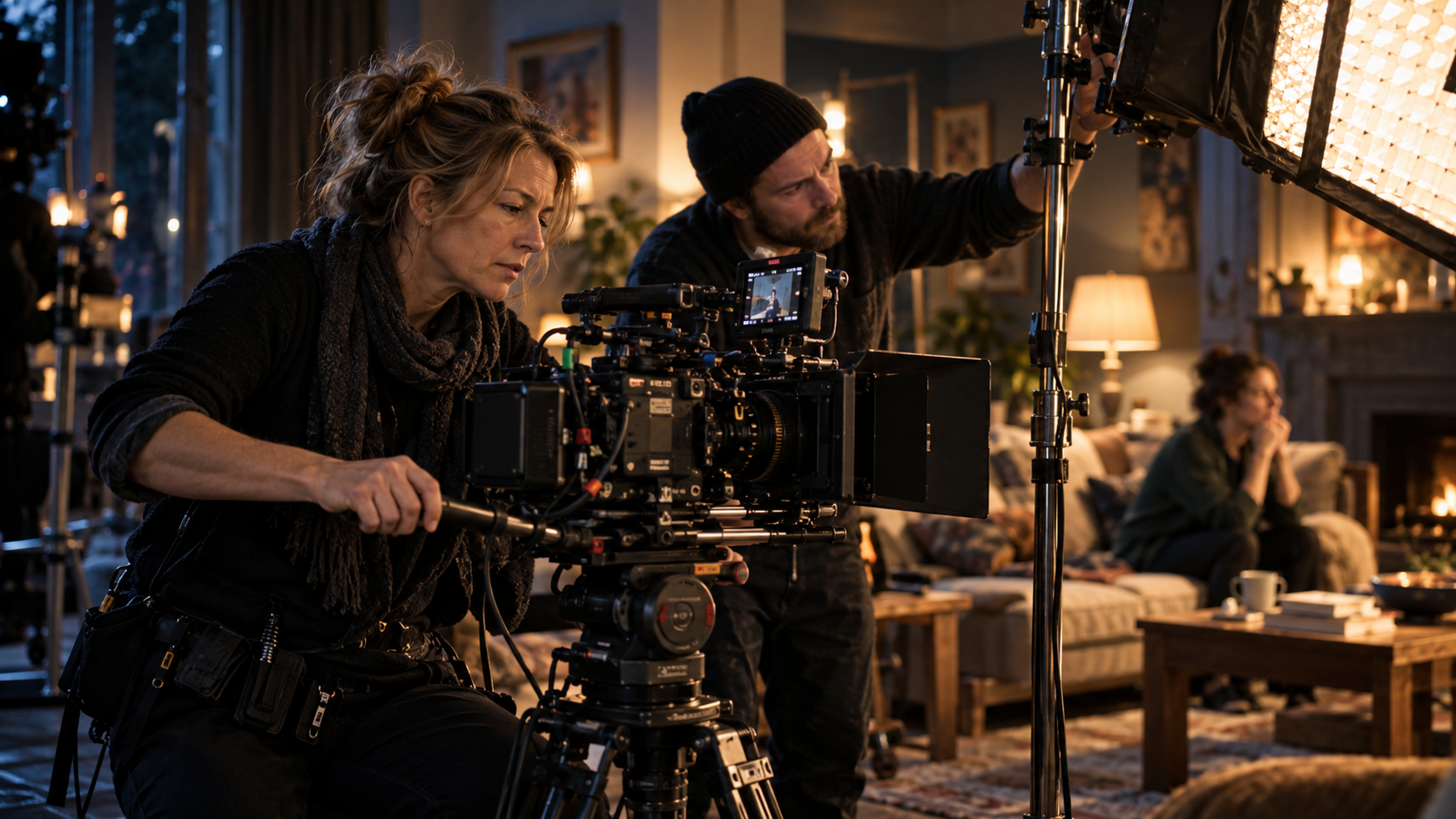
Camera crew preparing equipment on a warmly lit television set
The craft behind the camera

From page to screen

One story. Several chapters behind it.

  1. 01

    Development

    The idea, script, rights and production plan take shape.

  2. 02

    Finance

    Funding sources and contracts define how the work can proceed.

  3. 03

    Production

    Cast, crew and post-production turn the plan into a finished programme.

  4. 04

    Distribution

    Agreed rights may be licensed or sold to buyers who bring it to audiences.

  5. 05

    Potential payments

    Any investor payments depend on receipts, costs and the contractual payment order.

An illustrative overview. Stages can overlap or change. Sales, completion and investor payments are not guaranteed.

Choose the part I want to explore

“I helped fund that.” What would it mean for you?

Perhaps the creative connection appeals to you. Perhaps you want the contractual detail before anything else. Both lead to the same question: what would you actually receive for your investment?

You can understand the appeal. Seeing an idea become a finished creative work can carry a satisfaction that a line in an account statement doesn't quite describe.

An investor still needs a clear account of what those words mean financially.

A proposal could involve shares in a company, a loan or another contract. Each can give you different rights. This introduction does not identify a particular Film TV Group investment structure.

The documents should explain which entity receives your money, what you would own or be entitled to, and who is responsible for any payment. They should cover decision-making, reporting and any restrictions on your rights.

Funding a programme does not automatically give you its copyright, creative control, set access or a share of every pound it earns. Any such rights would need to be expressly included and verified. Imagination is welcome; the agreement supplies the detail.

You should be able to explain your position in ordinary language. If an explanation needs a fog machine, ask for another one.

Take time with unfamiliar clauses. Obtain written answers and independent advice where needed. Then ask the question that connects the production to its potential financial outcome: how could this programme earn money?

Put my questions about investor rights first

Like the idea. Now show me the business behind it.

If you judge an investment by its commercial plan, this is your part of the story. A viewer's enthusiasm can start a conversation. The agreements behind the programme explain how it might earn income.

Productions may earn income by licensing rights to broadcasters, streaming services or other buyers. Those rights can cover particular territories, periods and uses. Prices and payment dates depend on the agreements.

This is where you can begin to examine the commercial plan. Which agreements already exist? Which payments depend on delivery? Which future sales are estimates rather than commitments?

A possible buyer showing interest can be encouraging. It isn't the same as a signed contract. A promising first date isn't a marriage certificate either, however good the restaurant was.

Even signed agreements can have conditions. Ask what has to happen before payment is due, who receives it and whether that money is already committed elsewhere.

A sales forecast can help you understand the plan. It remains uncertain. The programme might sell for less than expected or fail to generate enough income to repay investors.

And popularity alone doesn't settle the financial question. A programme can find an enthusiastic audience while producing a disappointing investor outcome.

To see why, follow the income one step further. The sale tells you money is coming in. The payment order tells you where it goes.

Explore the commercial side with me

What could reach your account? Follow the money.

If your first question is “How could I get paid?”, you're asking about the part that matters to your account. Suppose a buyer pays for rights to show the programme. That could be a satisfying milestone for everyone who worked to bring it together.

For an investor, the next page of the story is the distribution of those receipts.

Depending on the contracts, money may first go towards sales commissions, distribution expenses, borrowing or other costs. Certain lenders or investors may have priority. What the production earns and what reaches you can therefore be different amounts.

You may hear the sequence called a “recoupment waterfall”. The name promises rather more scenery than the paperwork delivers. It means an agreed order of payment: these costs first, these parties next, these investors afterwards.

Ask where you sit in that order. What must happen before your contribution is repaid? When could you receive an additional return? Which deductions are made, and can they increase?

Worked examples can make the answer easier to follow. Request examples based on the actual terms, showing lower receipts, the forecast and higher receipts, with fees and assumptions included. They illustrate possible outcomes; they cannot promise one.

Also establish who collects the money, calculates distributions and provides records you can check.

When that explanation makes sense, the investment starts to become something you can assess. There is one more dimension to bring into view: time.

Make potential payments my starting point

Could you leave the money invested? Start with your own plans.

If you have plans for your money, the timescale deserves your attention before the opening credits. A cliffhanger can be enjoyable when the next episode is available. Waiting for money you need is a different experience.

Development, filming, editing and delivery have their own schedules. Selling rights, collecting receipts and paying investors can extend the timeline. A planned date may depend on several things happening first.

Ask whether dates are forecasts or contractual obligations, what conditions apply and what happens if a date passes without payment.

Then think about your own plans. Could the money be needed for a move, a family expense or a change in circumstances? How would a longer wait affect you?

A production investment may have no active resale market. Transfers can be restricted. Even if selling is permitted, there may be no buyer or the available price may be much lower than you paid.

Find out whether early repayment is possible and what supports it. An estimate or friendly assurance is not a substitute for a contractual right, and a right still needs to be understood in practical terms.

The aim is to understand the commitment while you have time to consider it. You want the whole picture, including what happens when the production follows a different path from the one planned.

Include my timescale in the conversation

Interested, but careful? You deserve the whole picture.

If you're interested but want the difficult questions answered first, that is a useful place to begin. The most useful conversations make room for the exciting possibilities and the difficult questions. You deserve both before making a decision about your money.

You could lose your entire investment. The following introduces important risks; a specific proposal needs its own complete disclosures.

The production and its budget

Delays or extra work can raise costs. Additional funding may be needed, potentially reducing existing investors' share of proceeds or giving new lenders priority. A production might not be completed. Ask how changing costs are managed and who bears them.

Sales and payment

Deals may not be agreed, sales may fall below forecasts and buyers may pay late or fail to pay. Costs and earlier claims can absorb revenue before it reaches you. Ask what supports the forecast and how lower receipts affect repayment.

The businesses involved

A project company, producer, distributor or another counterparty could become insolvent. Recovery may be limited or unavailable, with other creditors ahead of you. Security, if offered, does not guarantee repayment. Understand the actual rights and their limits.

Access to your money

Your investment could be difficult or impossible to sell and remain committed longer than expected. Ask about transfers, repayment conditions and what happens if you need an early exit.

Tax and investor protections

Tax treatment depends on the structure and your circumstances and can change. Do not assume tax relief, Financial Services Compensation Scheme protection or access to the Financial Ombudsman Service. Protections depend on the investment, activity and firms involved and need to be checked.

If you cannot afford a complete loss or do not understand the proposition, pause and consider independent advice from an appropriately authorised financial adviser.

Clear answers help you decide what to do next. Here are six questions that can open a useful conversation.

Tell you what I need explained

New to television investment? Bring these six questions.

You can be an experienced investor and still be new to television finance. Or this might be unfamiliar territory altogether. You may know the feeling: everyone else seems fluent, so you nod along and quietly promise yourself you'll look up the unfamiliar bits later.

You can retire that nod. These are questions about your money. You are entitled to ask them in words you understand.

1. Who receives the investment?

Identify the legal entity and the people responsible for the production and investor communications. Request evidence of relevant experience. Creative credits describe creative work; they do not establish past investment returns or financial-management capability.

2. Is the funding in place?

Ask for the full budget, committed sources and remaining gaps. What happens if another contribution doesn't arrive? Would your money be committed before essential funding is secured? Could it be returned if the project does not proceed?

3. Which agreements are signed?

Confirm the rights needed to make and sell the programme. Distinguish signed buyer contracts, conditional agreements and discussions. Check what rights your own contract gives you.

4. How could I be paid?

Request the payment order, fees and worked examples using actual terms. Establish who receives money first, what triggers your repayment and how further proceeds would be shared. Include the outcome when sales disappoint.

5. What will I hear as the project progresses?

A photograph from the set may make you smile. A financial report tells you something else. Ask what reporting you are entitled to, when it arrives and who can explain changed forecasts or late payments.

6. What are my rights if the plan changes?

Discuss delays, incomplete production, weak sales, insolvency and exit restrictions. Understand decision-making and dispute procedures. Check that the documents support the answers you receive.

You don't need to deliver all six with the intensity of a detective in the final episode. Start with the one that matters most to you. Follow the answer. Keep going until the arrangement is clear.

Tell you the questions on my mind

For you, is the appeal more than a number?

If the creative work is part of what draws you here, picture the moment a scene comes together.

The camera is ready. The light is right. Someone who has been rehearsing a line finally gets to say it.

“Action.”

An idea becomes something other people can experience. Something that might make them laugh, fall silent or message a friend: “Have you seen this yet?”

It is easy to understand the appeal of exploring that world. Television has been part of your life for years. Learning how its creative and commercial pieces fit together can give it a new dimension.

Private investment can help finance production work, and the agreed terms may provide for investors to share in its financial success. Whether that happens depends on the arrangement, its costs and the commercial result. Admiring a project doesn't establish its investment merits.

You can hold both thoughts at once: an interest in the work and a clear view of what the financial proposition would mean for you.

Film TV Group's Behind the Screen introduction gives you a starting point. Any actual proposal needs verified company information, documents, terms and risk disclosures, communicated through an appropriate route. No live investment opportunity is presented here.

For now, there is something worthwhile to discover, and a question worth following. Which part interests you most?

Explore the creative side of my interest

Two people absorbed in watching television together at home
The moment a story finds its audience

Still curious? Here's what you may be wondering.

Do I need television-industry experience?

No industry knowledge is needed to begin learning. For an actual investment, you need to understand the terms and risks. Ask for unfamiliar language to be explained. There is no prize for pretending you already know.

Is this like buying a listed share?

It may have different rights, reporting, exit options and regulatory protections. The actual documents determine your position. Do not assume the same experience or a diversification benefit.

What are the minimum and potential returns?

Those depend on a specific documented proposition. This introduction quotes no minimum contribution, target return or repayment date. Any forecast supplied later would need its assumptions explained and would remain uncertain.

What is the questionnaire for?

It helps Film TV Group understand your interest, experience, questions and readiness for a conversation. An indicative contribution range helps put an enquiry in context. It is not a request to transfer money or a formal investment assessment.

Will completing it mean I can invest?

No. Some investments restrict who may receive promotions or participate. Eligibility, suitability, investor categorisation and any required appropriateness checks belong to a separate, product-specific process.

What if I'm only curious?

Say so. That is a useful answer, and it helps distinguish someone exploring the subject from someone requesting a conversation now. You can also keep reading without submitting an enquiry. No awkward exit music.

Explore at my own pace

Which part of the story brought you here?

Perhaps the creative work caught your imagination. Perhaps you're considering a different investment category. Perhaps you can already hear the first question you would ask.

That is enough to start.

The questionnaire below moves from what interests you to what you would like next. Some answers take you straight forward; where you can choose more than one, use Continue. At the end, add your details if you would like to make an enquiry.

Important investment information: This is general information, not personal investment advice or a recommendation. Television-production investments can be high risk. You could lose some or all of your money, receive no return and be unable to sell or recover your investment when you want to. Forecasts and planned payment dates are uncertain. Past performance does not reliably indicate future results. Tax treatment depends on individual circumstances and may change. Regulatory status, compensation protection and access to complaints services must be checked for the specific investment and firms involved. This page and questionnaire make no offer, eligibility decision or guarantee. Consider independent advice from an appropriately authorised adviser before committing money.

The next time the credits roll, you may see more than a list of names. You'll have started to understand the people, decisions and funding behind the finished picture.

Where could your interest take you? Let's start with a few questions.

Explore my interest in television investment

Explore your interest in television investment.

Tell us what interests you, what you have explored before and what you would like next. Your answers help put an enquiry in context. The questionnaire does not decide whether you can or should invest.

When you finish, you can download a personalised PDF guide. It explains what your answers suggest, sets out the things worth understanding before money changes hands and gives you a written summary to keep or share.

Capital at risk. You could lose your entire investment. Returns are not guaranteed.

Step 1 of 7

What interests you most about film and TV investment?

Choose the main reason you are here today.

Choose one answer; the questionnaire advances automatically